

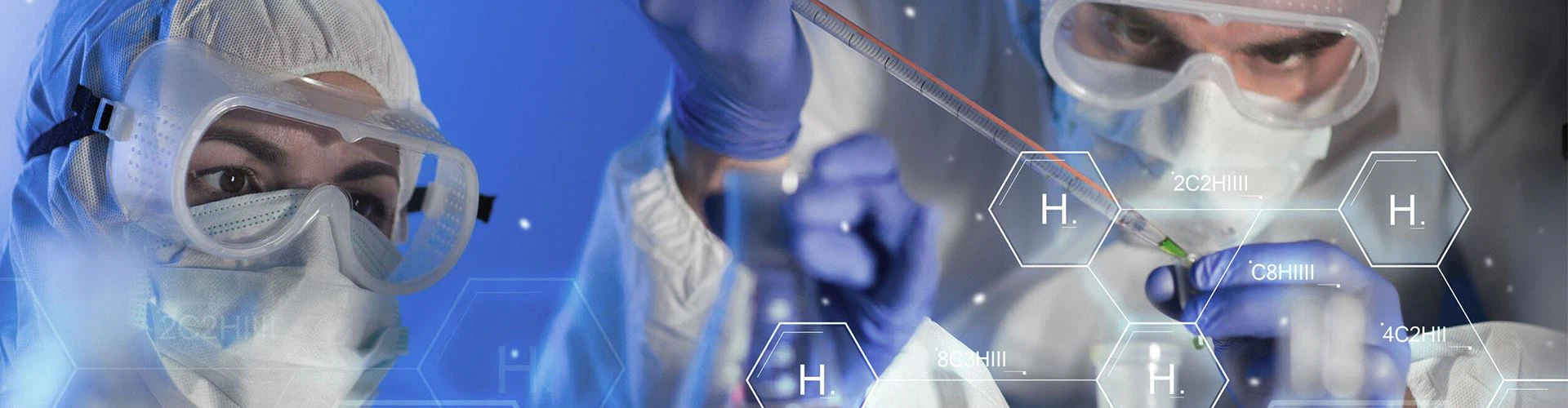
Assure Tech (Hangzhou) Co., Ltd was established by senior experts of in the in-vitro diagnostics industry in 2008. As a high-tech biotechnology company, Assure Tech is specialized in research & development, production, sales of diagnostic reagents, POCT and biological materials.
The company currently has R&D and manufacturing base, which contains the advanced level of colloidal gold diagnostic reagents production lines with annual production capacity of hundreds of millions of devices.
Why Choose Us?
Quality Products
Assure Tech (Hangzhou) Co., Ltd is reputed for its high-quality products. The company manufactures a wide range of products such as rapid diagnostic kits, medical equipment, and more.
Experienced Manufacturer
With over two decades of experience, the company has built a reputation for delivering quality products and exceptional customer service.
Innovation
Assure Tech (Hangzhou) Co., Ltd continuously invests in research and development to provide innovative technologies and products that meet customers' needs.
Competitive Pricing
The company offers competitive pricing to its customers, ensuring that they get value for their money.


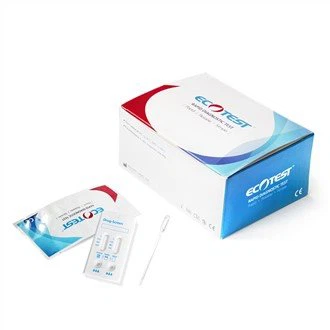


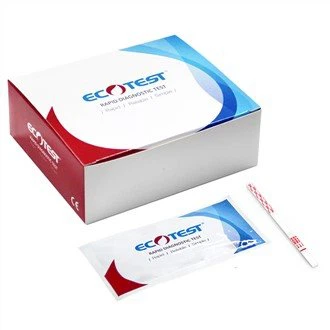


What Is Drug of Abuse Tests?
These tests indicate if one or more prescription or illegal drugs are present in urine. These tests detect the presence of drugs such as marijuana, cocaine, opiates, methamphetamine, amphetamines, PCP, benzodiazepine, barbiturates, methadone, tricyclic antidepressants, ecstasy, and oxycodone.
Benefits of Drug of Abuse Tests
Drug testing helps promote a happier, safer workplace
Behavioral issues caused by drug abuse may adversely affect the workplace, causing low employee morale, hostility or harm to fellow employees.
Drug testing may reduce healthcare costs
Screening for drugs, not only reduces risk for workplace accidents, but may also reduce healthcare costs associated with illicit substance use.
Drug testing helps the economy
Research shows that the rate of substance use varies by occupation and industry. However, employers who implement drug-free work policies are better able to strengthen the economy by managing internal resources effectively and avoiding lost productivity due to substance use.
Drug testing meets company, state or federal regulation requirements
In fact, some companies may have different drug-testing rules for different positions depending upon the risk associated with specific job duties. Disclaimer: Employers should consult legal counsel to ensure that their drug-free workplace testing policy is in compliance with all applicable laws.


Types of Drug of Abuse Tests
Urine drug testing (UDT):
This is the most common drug test. It requires a sample of your urine (pee). Urine drug tests are most commonly used to detect alcohol, amphetamines, benzodiazepines, opiates/opioids, cocaine and marijuana (THC).
Blood drug testing:
Healthcare providers mainly use this type of test in emergencies. It's also typically used to detect alcohol (ethanol) levels because it can provide a precise level.
Hair follicle drug testing:
A hair sample can provide information on substance use over time. Scalp hair has a detection window of three months, while slower-growing body hair has a detection window of up to 12 months. The results can vary based on the characteristics of each person's hair. Hair testing can detect the use of cocaine, phencyclidine (PCP), amphetamines, opioids and 3,Hair follicle drug testing: A hair sample can provide information on substance use over time. Scalp hair has a detection window of three months, while slower-growing body hair has a detection window of up to 12 months. The results can vary based on the characteristics of each person's hair. Hair testing can detect the use of cocaine, phencyclidine (PCP), amphetamines, opioids and 3,4-Methylenedioxymethamphetamine (MDMA).
Breath drug testing:
This is primarily used to detect recent alcohol consumption. The result is called a breath alcohol concentration (BrAC). Officials often use it to estimate a person's blood alcohol content (BAC). However, BrAC can sometimes overestimate or underestimate the BAC. Recent research has focused on the potential use of breath testing for detecting cocaine, marijuana, benzodiazepines, amphetamines, opioids, methadone and buprenorphine.
Sweat drug testing:
Sweat testing involves wearing an absorbent pad on your skin that's collected and tested after a certain amount of time. The results provide information on how much of a substance the person consumed over the entire time that they wore the pad. Sweat testing gives a detection window of hours to weeks.

Application of Drug of Abuse Tests

01.Annual check-ups
02.Dot drug testing
03.Pre employment testing
04.Post accident testing
05.Post treatment testing
06.Reasonable doubt test (random drug test)
Different types of drug tests necessitate different collection techniques. Regardless of the type of drug tests a company chooses to use, steps must be taken to prevent the tampering, manipulation, or substitution of samples, and the falsification of results.Urine samples are often conducted in bathroom stalls. Direct supervision could be considered an invasion of privacy, so multiple measures are taken to ensure fair play, including:The use of specific stalls;Putting dye in the toilet water; and/orTurning off the water supply.
Test administrators may also impose special instructions, such as avoiding water intake and urinating for a couple of hours before testing. Employers should always be aware of any federal, state and local laws and regulations which may provide additional guidance on how urine samples are collected.Other drug test types only require small samples which are easier to collect under direct supervision. SAMHSA, the federal agency tasked with leading public health efforts to combat substance abuse, has stringent guidelines to ensure that no specimens can be interfered with after collection:
Official chain of custody documentation details each sample's collection, handling, storage, analysis, and disposal.Samples are split so that a second test can be performed in the event of a positive result.
An initial screen is undertaken. In the case of a positive outcome, the second analysis is performed to eliminate the possibility of a false positive.Using the second part of the split sample, a confirmation assessment is conducted. Only if both tests return the same result can a positive outcome be recorded.A positive result is determined by a minimum baseline presence of a drug, known as the cut-off level. SAMHSA guidelines set cut-off levels relatively high to account for passive exposure and random false positives.No type of drug testing is 100% reliable. Still, false positives are less likely than false negatives—provided strict collection, handling, and analysis procedures are followed.
Suppose the initial and confirmation screenings both come back with a positive result. In that case, a licensed doctor specializing in substance abuse will review the results to ensure the chain of custody was adhered to, the specimen was stored correctly, and the correct chemicals were used for testing. The licensed physician will also contact the individual directly to obtain any additional information around the positive result, after which, the specialist will declare the outcome. Some prescribed medications can trigger positive results. In those cases, if the medication in question is taken at the recommended dosage and under the direction of a licensed physician, the test is declared negative.False negatives are more common than false positives primarily due to the timing of sample collection. Different kinds of drug tests will identify the presence of substances at varying optimum periods (after ingestion). It's therefore possible an employee with a regular drug habit could return a negative test if the sample was collected too early or too late from their last use.
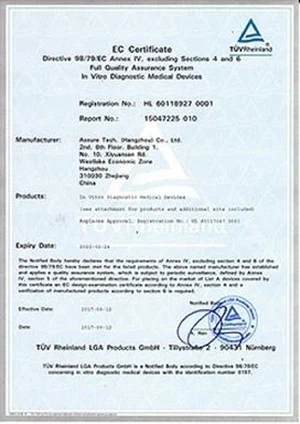
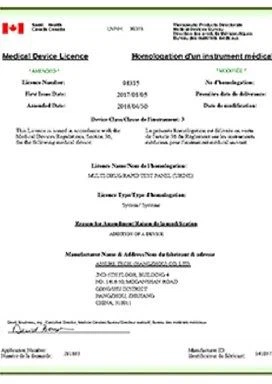
Certifications


Our Factory
Assure Tech (Hangzhou) Co., Ltd was established by senior experts of in the in-vitro diagnostics industry in 2008. As a high-tech biotechnology company, Assure Tech is specialized in research & development, production, sales of diagnostic reagents, POCT and biological materials.
FAQ
Q: What is the sample for drug of abuse test?
Q: How can drug abuse be solved?
Q: Can you fight a failed drug test in the Navy?
Q: How does drug testing work in the Navy?
Q: What kind of discharge do you get for failing a drug test?
Q: What are the 3 types of drug prevention and control?
Q: Is drug use a dishonorable discharge?
Q: Can you fight a failed drug test?
Q: Can you stay in the military if you fail a drug test?
Q: What happens if I can't pee for a drug test in the military?
Q: How long does it take to find out you failed a drug test in the military?
Q: What drugs disqualify you from military service?
Q: How long can pee last in a bottle for drug test?
Q: What is an example of a control drug?
Q: Why is drug half life important?
Q: What is gateway drugs meaning?
Q: What are the four elements of drug abuse prevention and control?
Q: What are the three major levels of intervention in substance abuse prevention?
Q: What is the most common false-positive drug test?
Q: Does Tylenol PM show up in drug test?
We're well-known as one of the leading drug of abuse tests manufacturers and suppliers in China. Please feel free to buy bulk high quality drug of abuse tests at competitive price from our factory. For more information, contact us now.