


Assure Tech (Hangzhou) Co., Ltd was established by senior experts of in the in-vitro diagnostics industry in 2008. As a high-tech biotechnology company, Assure Tech is specialized in research & development, production, sales of diagnostic reagents, POCT and biological materials.
The company currently has R&D and manufacturing base, which contains the advanced level of colloidal gold diagnostic reagents production lines with annual production capacity of hundreds of millions of devices.
Why Choose Us?
Product diversity
In domestic, Assure tech includes an advanced level in the rapid diagnostic reagents, rapid molecular diagnostic area, the development and preparation of antibodies, small molecular antigen synthesis, and genetic engineering.
Quality control
Our QC members will keep your quality standards and examine your products from raw materials to finished products for each shipment.
R&D capacity
We Hangzhou Anxin Technology (Hangzhou) Co. , Ltd. the Assure R&D team has more than 100 staff who have built an extensive cooperation with advanced domestic and foreign research institutions.
Trade capacity
We Trade in North , Europe and Asia, serving more than 150 countries


What Is Cardiac Marker Tests ?
This test is used to measure the levels of cardiac biomarkers in the blood to diagnose patients with chest pain and expected acute coronary syndrome (ACS). Cardiac marker Testing helps physicians to analyze acute coronary syndrome (ACS), and manage high-risk patients with acute heart failure, pulmonary embolism, and other disease states. Creatine kinase-MB [CK-MB] fraction, soluble CD40 ligand [sCD40L], myoglobin and cardiac troponins, C-reactive protein [CRP], and homocysteine are all used to signify acute myocardial infarction, commonly known as a heart attack.
Benefits Of Cardiac Marker Tests
01
Speed
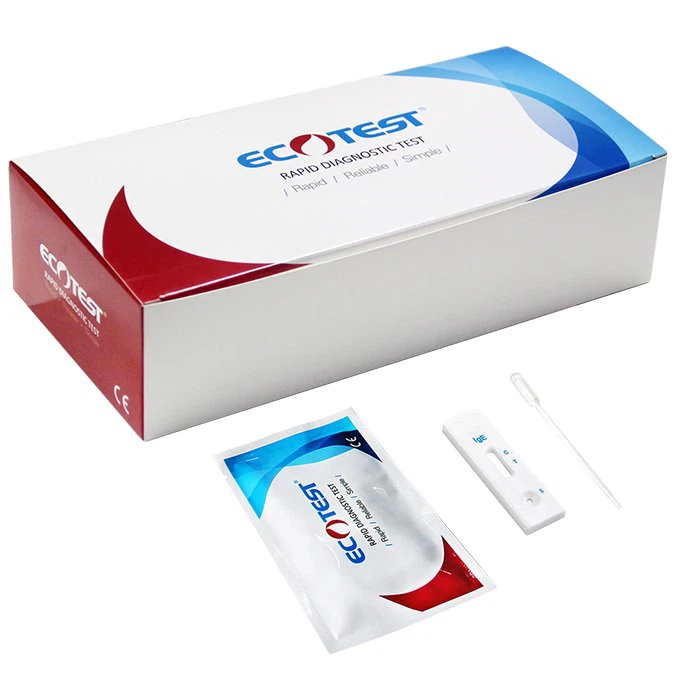
Traditional laboratory methods for detecting heart attacks can take hours to provide results, delaying crucial treatment. The Cardiac rapid test dramatically shortens this timeframe, allowing for faster diagnosis and more timely interventions.

02
Accuracy
The Cardiac Troponin I rapid test is highly sensitive and specific for cTnI, reducing the likelihood of false negatives and false positives. This allows healthcare professionals to make informed decisions regarding patient care.

03
Accessibility
The design of the Cardiac rapid test means that it can be used by healthcare laboratory professionals of varying expertise. This widespread accessibility may lead to earlier detection and treatment of heart attacks, even in remote or resource-limited settings.

04
Cost-Effectiveness
Compared to traditional laboratory testing methods, the Cardiac rapid test is significantly less expensive. This cost reduction makes the test more accessible and feasible for healthcare providers worldwide.
Troponins T and I (TnT / TnI): Biomarkers of high sensitivity and specificity for myocardial lesions.
Creatine kinase-MB (CK-MB): Sensitive biomarker of myocardial necrosis.
Natriuretic peptides (BNP and pro-BNP): Prognostic markers in heart failure and markers for the evaluation of symptoms of cardiac etiology.
Myoglobin: Complementary biomarker of low specialty, but high sensitivity, for the diagnosis of acute myocardial infarction.
Homocysteine(Hcy): Independent risk biomarker for coronary cerebral and peripheral vascular diseases.
High-sensitivity C-reactive protein (hs-CRP): Complementary biomarker of high sensitivity for inflammations, which can be used as a risk indicator for coronary heart disease.
Fibrinogen: Coagulation factor responsible for normal blood clotting. It acts as a risk indicator for blood clot formation.
Lipoprotein-associated phospholipase A2 (PLAC test): Biomarker for inflammation in the blood vessels, which is linked to an increase of plaque in the arteries.

There have been medical clinical trials that have demonstrated the benefits of using cardiac markers as indicators for some specific therapeutic interventions in acute coronary syndrome.
Cardiac markers are essential for the timely and accurate diagnosis and management of various diseases and illnesses. There are no complications associated with cardiac marker tests. There is an increasing level of interest in the use of cardiac markers to manage and guide the health of oncology patients who are receiving cancer therapies.
As mentioned, cardiac markers are useful for diagnosing and managing patients with suspected acute coronary syndrome and chest pain. They are also used for the prognosis and management of patients with heart failure, and pulmonary embolism amongst other diseases. Cardiac markers can be divided into those that signify myocardial necrosis and those indicating myocardial ischemia.
Ischemic heart disease is one of the leading causes of death and one of the most common reasons for patients attending Accident and Emergency departments in hospitals. Many people will have symptoms and chest pain for some time before seeking help. The best use of cardiac markers depends on what they are being used for by the practitioner. Cardiac markers that have high positive predictive values are best to treat and manage those patients who have a high risk of cardiovascular complications. Cardiac biomarkers essentially are measurements that are taken with the aim of improving diagnosis and management of disease. Cardiac markers have seen great development in recent years especially when it comes to managing human health. Markers have provided increased sensitivity when it comes to diagnosing myocardial cell injury and heart failure. The diagnosis and management of disease early enables early detection and better chances of improved life and health for many patients.
Using biomarkers has become the norm for many areas of medicine, and they are used in a more widespread manner in cardiology. The use of cardiac biomarkers was first recorded in 1954. Since then they have been used extensively by clinicians. Since 1954 there have been huge leaps made in the research and use of biomarkers and the development of laboratory biomarkers and procedure. The future of biomarkers will continue to develop and become even more sophisticated for greater prognostic accuracy precision and greater diagnostic ability. This will enable clinicians and health care practitioners facilitate targeted therapy for patients and measure treatment responses. However, it is fair to say that biomarkers are the most useful when they are related to and applied to a very specific clinical query or question.
Cardiac enzymes, or biomarkers, include troponin, myoglobin and creatine kinase.
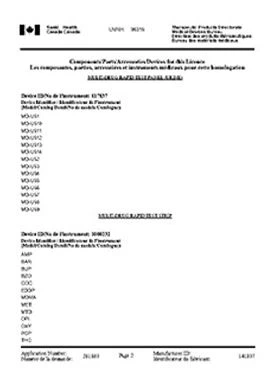
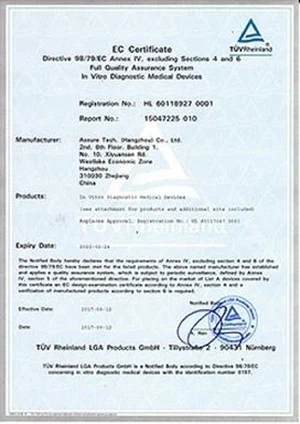
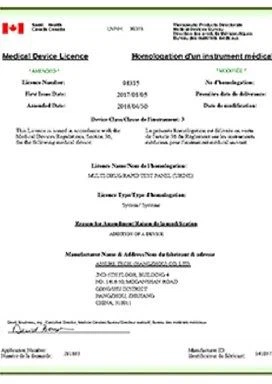
Certifications


Our Factory
Assure Tech (Hangzhou) Co., Ltd was established by senior experts of in the in-vitro diagnostics industry in 2008. As a high-tech biotechnology company, Assure Tech is specialized in research & development, production, sales of diagnostic reagents, POCT and biological materials.
FAQ
Q: What is a cardiac marker test used for?
Q: What are the 5 tests in cardiac risk markers?
Q: What does a marker on the heart mean?
Q: What is the most effective cardiac marker?
Q: When should a cardiac risk marker be tested?
Q: Which is a marker for heart failure?
Q: What is the most accurate test for heart disease?
Q: What if cardiac markers are high?
Q: What is the best test to diagnose heart failure?
Q: What are the 2 most sensitive cardiac biomarker tests?
Q: What is a normal cardiac marker level?
Q: What cardiac marker rises first?
Q: What is the difference between cardiac markers and cardiac enzymes?
Q: What is the gold standard of cardiac biomarkers?
Q: What is the timeline for cardiac markers?
Q: What does cardiac cough sound like?
Q: What is a marker for heart failure?
Q: What are the 2 most sensitive cardiac biomarker tests?
Q: How do you fix elevated heart enzymes?
Q: When should a cardiac risk marker be tested?
We're well-known as one of the leading cardiac marker tests manufacturers and suppliers in China. Please feel free to buy bulk high quality cardiac marker tests at competitive price from our factory. For more information, contact us now.
Troponin I Diagnostic Rapid Test, Procalcitonin Rapid Test, CKMB Rapid Test