


Assure Tech (Hangzhou) Co., Ltd was established by senior experts of in the in-vitro diagnostics industry in 2008. As a high-tech biotechnology company, Assure Tech is specialized in research & development, production, sales of diagnostic reagents, POCT and biological materials.
The company currently has R&D and manufacturing base, which contains the advanced level of colloidal gold diagnostic reagents production lines with annual production capacity of hundreds of millions of devices.
Why Choose Us?
Quality Products
Assure Tech (Hangzhou) Co., Ltd is reputed for its high-quality products. The company manufactures a wide range of products such as rapid diagnostic kits, medical equipment, and more.
Experienced Manufacturer
With over two decades of experience, the company has built a reputation for delivering quality products and exceptional customer service.
Innovation
Assure Tech (Hangzhou) Co., Ltd continuously invests in research and development to provide innovative technologies and products that meet customers' needs.
Competitive Pricing
The company offers competitive pricing to its customers, ensuring that they get value for their money.


Allergy testing identifies allergens, like mold, pet dander, bee stings and peanuts, that can cause allergies. During a skin prick test, a healthcare provider introduces allergens into your skin to check for a wheal (raised mark), rash or other reactions. Blood tests can check for IgE antibodies. The results can help you take steps to manage allergies.
Benefits of Allergy Tests
Find a precise treatment solution
Allergy testing will find the exact allergens that trigger allergic reactions. With this knowledge, it is possible to find a treatment solution that addresses the problem without intruding on all aspects of your life.
Create a manageable diet
Food allergies frequently lead to individuals cutting entire food groups from their diet due to concerns about allergic reactions. But in many cases you won't need to make sweeping changes, and can still get the necessary vitamin and mineral intake.
Help make responsible choices
An allergy test will allow you to avoid choices that could put your health at risk. The knowledge you gain from an allergy test can assist in the decision-making process for you or your child. For example, an allergy to animal dander could influence a decision on getting a pet.
Take control of your environment
Many allergies are seasonal and could only require periodic adjustments. Pollen counts are high during the summer, with grass pollen a major cause of hay fever. However, tree pollen is more common during spring. Allergy tests take much of the confusion out of seasonal allergies.
Prevent severe consequences
Allergy testing can prevent unnecessary risks and reduce the chance of a severe allergic reaction. In some cases, your allergy doctor may recommend carrying an EpiPen at all times.
Determine if your allergy has been outgrown
It is possible that your child will outgrow their allergies. For instance, food allergies to milk and eggs are often outgrown by the adult years. However, allergy testing will be required to know for certain whether a particular substance still poses a risk.

Types of Allergy Tests
Allergy skin testing
This is used to evaluate for suspected environmental or seasonal allergies, food allergy, stinging insect allergy, and certain drug/medication allergies. During skin testing the suspected allergen is placed on the skin and the test results are read after 15 minutes. An allergen is a substance that can cause an allergic reaction. There are 2 methods for skin testing: prick skin testing and intradermal skin testing.
Prick skin testing: Individual solutions containing the suspected allergens are placed on the skin using a prick device. The test results are available 15 minutes later.
Intradermal skin testing: Individual solutions containing the suspected allergens are placed just underneath the surface of the skin using a small needle. The test results are available 15 minutes later.
Blood tests
some patients may require blood tests called specific IgE tests (also commonly known as RAST) to complete their allergy evaluation. Specific IgE tests can also be obtained in some situations where allergy skin testing is not appropriate. Such situations would include:
(a)when a patient cannot discontinue antihistamines or certain other medications that would affect skin test results
(b)patients with a condition called dermatographism (whereby scratching the skin causes hives)
(c) patients with skin rashes/lesions that prevent us from accurately reading the skin test results.
Spirometry (lung function tests)
This is a type of lung function test that we use to specifically evaluate for asthma. Asthma often occurs in individuals who have allergies. Individuals who report symptoms or have exam findings that are suspicious for asthma will require spirometry.
Patch testing
This is used to evaluate for an underlying trigger/agent in individuals who develop contact dermatitis. Examples of contact dermatitis is the development of a rash after wearing certain metal jewelry or using a certain skin care product. The suspected agents are placed in the form of patches on the back. The patches are removed 48 hours later. The results are read 2 to 5 days after the patches are removed, and sometimes up to 10 days after removal. You should avoid water and moisture in areas where the patches are placed unless there is a special moisture-proof cover placed over the patches.
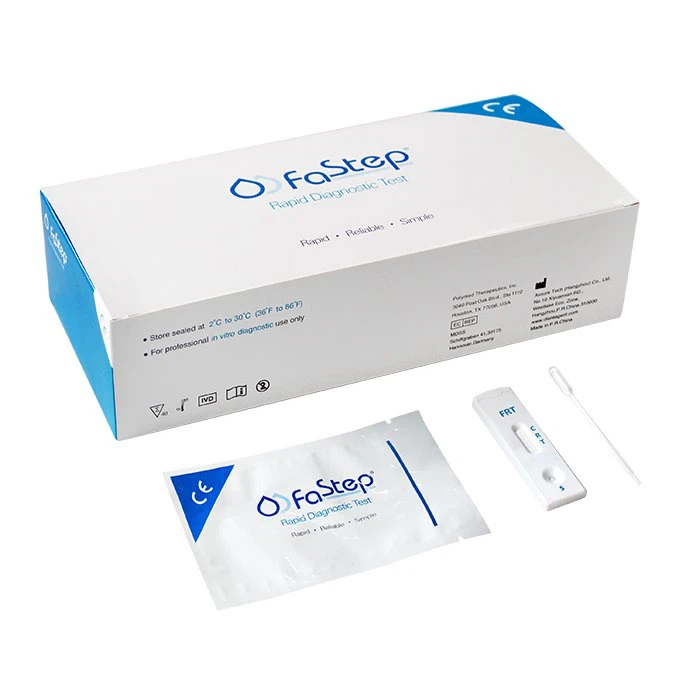
If testing confirms you have an allergy, you can work with your doctor or allergist to develop a treatment plan. These plans focus on methods to manage your symptoms and reduce your risk for more serious reactions.
Common allergy treatments include:
Avoiding your trigger. Minimizing your exposure to triggers is an effective way to manage allergy symptoms.
Antihistamines. These medications help block the effects of histamine, a chemical released during an allergic reaction.
Allergy shots (immunotherapy). Regular allergy shots may help reduce your sensitivity to allergens.
EpiPen (epinephrine) injections. This emergency medication treats serious allergic reactions. People at risk for anaphylaxis should always carry an EpiPen with them.
Other medications like decongestants and corticosteroids may help reduce congestion and inflammation to provide more relief from allergy symptoms.
Allergies can be a burden, but testing and treatment can help manage your symptoms. Talk to your doctor about allergy testing and the best way to treat your allergies.
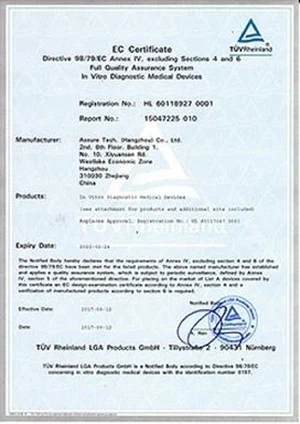
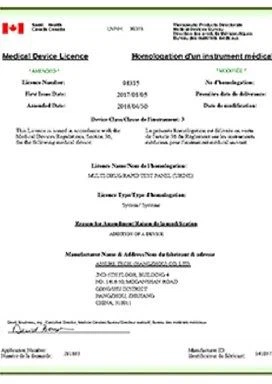
Certifications



Our Factory
Assure Tech (Hangzhou) Co., Ltd was established by senior experts of in the in-vitro diagnostics industry in 2008. As a high-tech biotechnology company, Assure Tech is specialized in research & development, production, sales of diagnostic reagents, POCT and biological materials.
FAQ
Q: What tests are done to check for allergies?
Q: What is the most accurate allergy test?
Q: What does a full allergy test consist of?
Q: What are the risks of allergy testing?
Q: Can a blood test detect any allergies?
Q: How accurate are allergy blood tests?
Q: Are allergy skin tests worth it?
Q: Are online allergy tests worth it?
Q: Is an allergy blood test more accurate than a skin test?
Q: What should you avoid before allergy testing?
Q: How long does it take for allergy test results?
Q: What not to eat before allergy test?
Q: Are allergy shots worth the risk?
Q: Is it normal to feel sick after allergy testing?
Q: What if I test negative for allergies but still have symptoms?
Q: What does W and F mean on an allergy test?
Q: How many pricks are in an allergy test?
Q: When should you get allergy tested?
Q: Does Medicare cover allergy blood test?
Q: Do home allergy test kits work?
We're well-known as one of the leading allergy tests manufacturers and suppliers in China. Please feel free to buy bulk high quality allergy tests at competitive price from our factory. For more information, contact us now.
Alternaria Alternate Allergy Test, Dog Dander Allergy Test, Egg White Allergy Test