


Assure Tech (Hangzhou) Co., Ltd was established by senior experts of in the in-vitro diagnostics industry in 2008. As a high-tech biotechnology company, Assure Tech is specialized in research & development, production, sales of diagnostic reagents, POCT and biological materials.
The company currently has R&D and manufacturing base, which contains the advanced level of colloidal gold diagnostic reagents production lines with annual production capacity of hundreds of millions of devices.
Why Choose Us?
Quality Products
Assure Tech (Hangzhou) Co., Ltd is reputed for its high-quality products. The company manufactures a wide range of products such as rapid diagnostic kits, medical equipment, and more.
Experienced Manufacturer
With over two decades of experience, the company has built a reputation for delivering quality products and exceptional customer service.
Innovation
Assure Tech (Hangzhou) Co., Ltd continuously invests in research and development to provide innovative technologies and products that meet customers' needs.
Competitive Pricing
The company offers competitive pricing to its customers, ensuring that they get value for their money.


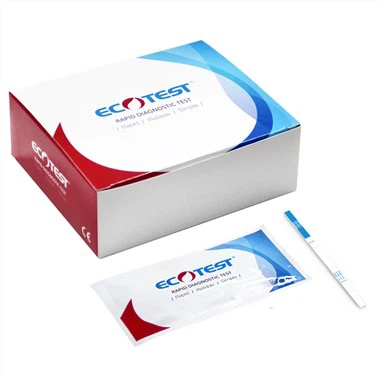


What Is Infectious Disease Tests?
Infectious diseases can be transferred from person to person by a variety of means – whether through airborne particles, bodily fluid exchange, or even a simple handshake – and can spread from host to host through both direct and indirect contact. Testing allows your doctor to verify if the symptoms you are experiencing are caused by an infectious disease.
Benefits of Infectious Disease Tests

Speed
Rapid tests can provide results in a matter of minutes or hours, whereas traditional lab-based tests can take several days or even weeks. With rapid testing, healthcare providers can identify and isolate infected individuals quickly, preventing the further spread of the disease.
Convenience and ease of use
Most rapid tests can be administered with a simple swab or fingerstick, making them much easier to use than traditional tests, which may require blood draws or more invasive procedures. Rapid tests can also be self-administered, making them suitable for a wide range of settings, including schools, workplaces, and community clinics.
Portable
Rapid testing can be used in remote or underserved areas. which can spread rapidly in underserved areas with limited access to medical care. By using rapid testing, healthcare providers can quickly identify and isolate infected individuals, preventing further spread of the disease.
More cost-effective
Rapid tests, can be performed with simple, portable equipment and require less specialized training, making them more accessible and cost-effective.
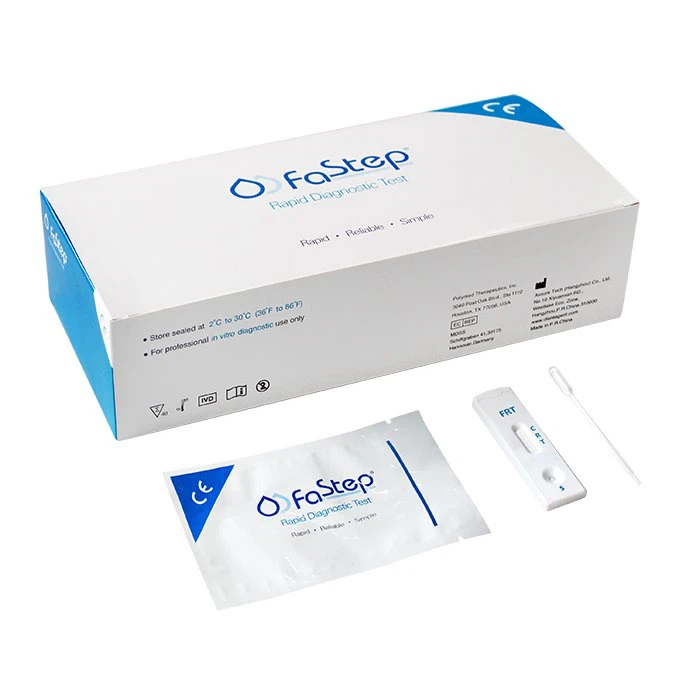
Types of Infectious Disease Tests
Blood test
A blood sample can be obtained by inserting a needle into a vein, usually in the arm.
Urine test
This test is painless and requires you to urinate into a container. To avoid potential contamination, your doctor may ask you to clean the genital area with a sterile tablet and then collect the midstream of urine.
Throat swab
A sample of the throat or other wet part of the body can be obtained from a sterile swab.
Stool sample
You may be instructed to collect a stool sample so a lab can check the sample for parasites and other organisms.
Spinal tap (lumbar puncture)
This procedure obtains a sample of the cerebrospinal fluid through a needle carefully inserted between the bones of the lower spine. You'll usually be asked to lie on your side with your knees pulled up toward your chest.
Depending on the type of infection, there are many ways that infectious diseases can spread. Fortunately, in most cases, there are simple ways to prevent infection.
Your mouth, your nose and cuts in your skin are common places for pathogens to enter your body. Diseases can spread:
1.From person to person when you cough or sneeze. In some cases, droplets from coughing or sneezing can linger in the air.
2.From close contact with another person, like kissing or oral, anal or vaginal sex.
3.By sharing utensils or cups with other people.
4.On surfaces like doorknobs, phones and countertops.
5.Through contact with poop from a person or animal with an infectious disease.
6.Through bug (mosquito or tick) or animal bites.
7.From contaminated or improperly prepared food or water.
8.From working with contaminated soil or sand (like gardening).
9.From a pregnant person to the fetus.
10.From blood transfusions, organ/tissue transplants or other medical procedures.

Early Detection and Diagnosis: Timely and accurate testing helps healthcare professionals identify infectious diseases in individuals at an early stage. Early detection allows prompt treatment, improving outcomes and reducing transmission to others.
Isolation and Quarantine: Once a person is diagnosed with an infectious disease, appropriate measures can be taken to isolate or quarantine them, depending on the disease's characteristics. Isolation involves separating individuals with confirmed infections from others to prevent direct transmission. At the same time, quarantine applies to individuals exposed to an infectious agent but have not yet shown symptoms.
Contact Tracing: Infectious disease testing also helps with contact tracing. When a person tests positive for a contagious disease, health authorities can trace and test their contacts. This process helps identify and isolate other potentially infected individuals to prevent further transmission.
Outbreak Investigation: In cases of outbreaks or clusters of infections, testing can be instrumental in identifying the source of the illness and its mode of transmission. This information is essential for implementing targeted control measures to contain the outbreak.
Monitoring and Surveillance: Ongoing testing and surveillance are crucial in tracking the prevalence and distribution of infectious diseases within a population. This data aids public health officials in identifying trends, implementing preventive measures, and allocating resources effectively.
Disease Control Measures: Public health authorities can implement appropriate disease control measures based on the test results and epidemiological data. These may include travel restrictions, mass vaccination campaigns, public health advisories, and targeted interventions.
Vaccine Development: Infectious disease testing also plays a vital role in developing and evaluating vaccines. Through clinical trials, researchers can determine the safety and efficacy of vaccines, ultimately leading to their approval and widespread use for prevention.
Health Education: Testing results can be used to educate the public about the importance of preventive measures like hand hygiene, wearing masks, maintaining social distancing, and vaccination. Health education helps raise awareness about the risks of infectious diseases and the best practices to prevent their spread.
It's important to remember that infectious disease testing should be carried out using approved and validated methods to ensure accuracy and reliability. Collaboration between healthcare providers, public health authorities, and the community is crucial in effectively detecting and preventing the spread of infectious diseases.
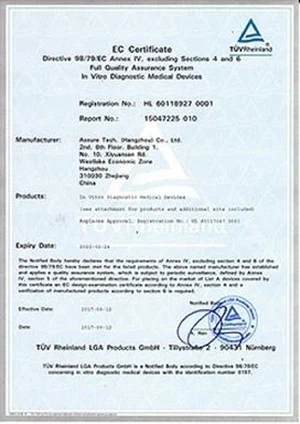
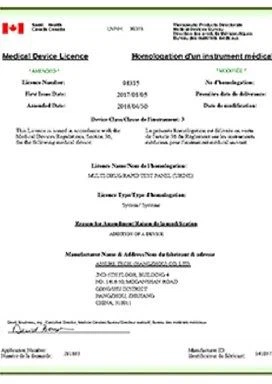
Certifications


Our Factory
Assure Tech (Hangzhou) Co., Ltd was established by senior experts of in the in-vitro diagnostics industry in 2008. As a high-tech biotechnology company, Assure Tech is specialized in research & development, production, sales of diagnostic reagents, POCT and biological materials.
FAQ
Q: What do they test for infectious disease?
Polymerase chain reaction (PCR) testing (also called NAAT for nucleic acid amplification testing) is a highly specific test that detects the presence of the infectious agent's unique genetic material (DNA or RNA).
Q: What tests can be done to check for infection?
This involves taking a small sample of blood from a vein in your arm and from 1 or more other parts of your body. The samples are combined with nutrients designed to encourage the growth of bacteria. This can help show whether any bacteria are present in your blood. At least 2 samples are usually needed.
Q: What are the 4 types of infectious diseases?
Q: Can bloodwork detect infection?
Q: What blood test shows infection or inflammation?
Q: Can all infections be detected by blood test?
Q: What are the three deadliest infectious diseases?
Q: Why would someone be sent to an infectious disease doctor?
Q: Why would someone be sent to an infectious disease doctor?
Q: What is elevated in CBC with infection?
Q: What would a CBC look like with sepsis?
Q: Can CBC detect bacterial infection?
Q: What does not show up in blood tests?
Q: What is the most thorough blood test?
The test identifies issues with infections or inflammation, clotting abnormalities, anemia, nutritional deficiencies, blood cancer, immune system disorders and more, so your doctor can order follow-up tests if necessary or make a diagnosis.
Q: Why are all my blood tests normal but still feel unwell?
Q: What cancers are associated with high CRP levels?
Q: What cancers show high inflammatory markers?
Q: What disease has the lowest survival rate?
Q: What to expect when seeing an infectious disease doctor?
Q: What is an infectious disease picked up in the hospital?
We're well-known as one of the leading infectious disease tests manufacturers and suppliers in China. Please feel free to buy bulk high quality infectious disease tests at competitive price from our factory. For more information, contact us now.