


Assure Tech (Hangzhou) Co., Ltd was established by senior experts of in the in-vitro diagnostics industry in 2008. As a high-tech biotechnology company, Assure Tech is specialized in research & development, production, sales of diagnostic reagents, POCT and biological materials.
The company currently has R&D and manufacturing base, which contains the advanced level of colloidal gold diagnostic reagents production lines with annual production capacity of hundreds of millions of devices.
Why Choose Us?
Quality Products
Assure Tech (Hangzhou) Co., Ltd is reputed for its high-quality products. The company manufactures a wide range of products such as rapid diagnostic kits, medical equipment, and more.
Experienced Manufacturer
With over two decades of experience, the company has built a reputation for delivering quality products and exceptional customer service.
Innovation
Assure Tech (Hangzhou) Co., Ltd continuously invests in research and development to provide innovative technologies and products that meet customers' needs.
Competitive Pricing
The company offers competitive pricing to its customers, ensuring that they get value for their money.


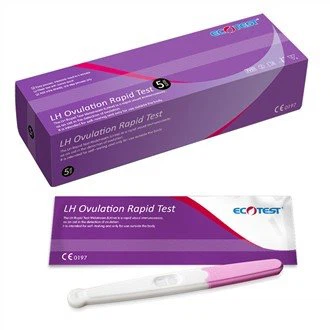


What Is Fertility Tests?
Fertility testing, a procedure to assess Fertility, is also used to determine when a woman is at risk of becoming pregnant. Fertility is linked to overall health, and sexually transmitted diseases can also affect fertility.
Benefits of Fertility Tests

01
Insight hormone levels
blood tests can provide insight into your hormone levels,can help make sure are appropriate for reproduction.

02
Identify reproductive system blockages
while ultrasounds and hysterosalpingograms can help identify blockages or other physical issues in your reproductive system.

03
Convenient
at-home fertility tests available. These tests can be convenient and less expensive than traditional medical tests.

04
Optimize your reproductive health
if your fertility test results indicate that you have a high fertility potential, it is important to continue practicing safe sex and using contraception if you are not ready to conceive. It is also important to maintain a healthy lifestyle, including a balanced diet and regular exercise, to optimize your reproductive health and increase your chances of conceiving.
The types of fertility testing for women
●1.Physical examination:includes a cervical culture to rule out sexually transmitted infections and other diseases.
●2.Cycle day 3 blood test:measure FSH, LH, estradiol, TSH, prolactin and anti-Mullerian hormone (AMH). These tests provide information about a woman's ovarian reserve (egg supply). They can also help predict how she may respond to fertility medications.
●3.Transvaginal ultrasound: involves inserting an ultrasound wand into the vagina. Doing so creates pictures of your ovaries, which allows us to check for cysts and perform an antral follicle count. This count provides information about a woman's ovarian reserve.
●4.Hysterosalpingogram (HSG):is a special x-ray of the uterus. A radiologist takes it after injecting a high-contrast iodine dye. It can help visualize the size and shape of the uterus, and whether the fallopian tubes are open.
●5.Sonohysterogram (SHG):also examines the shape of the uterus and allows Dr. Sharara to determine whether there are fibroids or other abnormalities. We perform this ultrasound after passing a saline solution into the uterus through the cervix.
●6.ERA testing:Late in the menstrual cycle, we may biopsy a small piece of the endometrium (uterine lining). Our team can analyze it to ensure that the endometrium is receptive to pregnancy.
The fertility assessments for men
The male partner will also need to undergo some tests to rule out male factor infertility. The types of fertility testing that male patients can expect are as follows.
●1.Semen analysis:involves analyzing a sample of seminal fluid in the lab. The analysis measures sperm count and semen volume. It also gauges whether the sperm have the right shape for fertilization, and whether they move properly.
●2.Blood tests:can help make sure hormone levels are appropriate for reproduction.

Fertility testing can be used to detect ovulation and/or to diagnose infertility
This term is defined as not getting pregnant after one year of sex without contraception. Infertility is often due to a problem with one or more steps in the process of becoming pregnant.
Fertility testing can help women know when they're most fertile and plan for a pregnancy.
A woman is most likely to get pregnant if she has sex during a window starting five days before ovulation (mid-cycle) to around 24 hours after. This is sometimes referred to as the fertile period.
Diagnose the causes of infertility.
Tests used to diagnose the causes of infertility include laboratory, imaging, and others that provide information about someone's reproductive organs and the process of becoming pregnant.
Whether pregnant
Prenatal tests during pregnancy can monitor the health of both you and your baby, including tests for genetic screening, fetal monitoring, gestational diabetes, STDs, and group B strep.
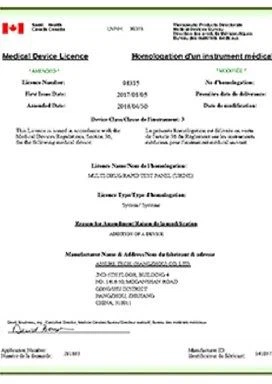
Certifications




Our Factory
Assure Tech (Hangzhou) Co., Ltd was established by senior experts of in the in-vitro diagnostics industry in 2008. As a high-tech biotechnology company, Assure Tech is specialized in research & development, production, sales of diagnostic reagents, POCT and biological materials.
FAQ
Q: Is it worth getting a fertility test?
Q: Why would someone need a fertility test?
Q: What does a fertility test tell you?
Q: When should you go for fertility tests?
Q: Should I get a fertility test at 25?
Q: How do I know if I'm fertile?
Q: What is the most important fertility test?
AMH has quickly become the 'gold standard' in fertility blood tests. Secreted by the small antral follicles in the ovary, AMH is present until a woman reaches menopause. Testing AMH gives a physician a good understanding of your ovarian function and egg reserve.
Q: How can a woman increase her fertility?
1.Maintain a healthy weight. Being overweight or significantly underweight can inhibit normal ovulation.
2.Prevent sexually transmitted infections. Infections such as chlamydia and gonorrhea are a leading cause of infertility for women.
3.Avoid the night shift, if possible.
Q: What are the first stages of fertility testing?
Q: How do you know if your eggs are good fertility?
Q: At what age does fertility start to decline?
Q: Is it risky to have a baby at 25?
Q: What age can you start fertility?
Q: What are the symptoms of poor egg quality?
Q: Can a Pap smear detect infertility?
Q: What are the symptoms of releasing two eggs?
Q: Why am I not ovulating but having periods?
Q: What is a normal sperm count to get pregnant?
Q: What foods increase sperm count?
Q: Is fertility test painful?
We're well-known as one of the leading fertility tests manufacturers and suppliers in China. Please feel free to buy bulk high quality fertility tests at competitive price from our factory. For more information, contact us now.
Human Insulin like Growth Factors Binding Protein 1 IGFBP 1 PROM Test, HCG Weekly Pregnancy Test, Luteinizing Hormone Ovulation Test