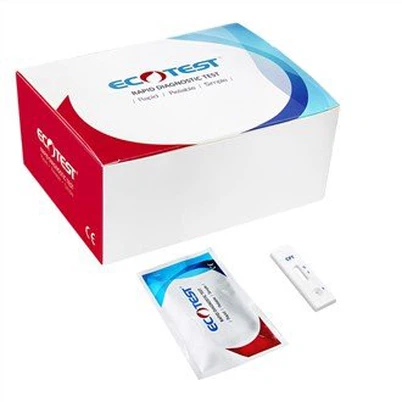
Transferrin and Fecal Occult Blood Combo Test
Transferrin and FOB Combo Test Device (Feces) is a rapid visual immunoassay for the qualitative, presumptive detection of human hemoglobin and transferrin in human fecal specimens. Transferrin and FOB Combo Test Device is intended for use as an aid in the diagnosis of bleeding gastrointestinal disorders.
Description
Intended Use
Transferrin and FOB Combo Test Device (Feces) is a rapid visual immunoassay for the qualitative, presumptive detection of human hemoglobin and transferrin in human fecal specimens. Transferrin and FOB Combo Test Device is intended for use as an aid in the diagnosis of bleeding gastrointestinal disorders.
Introduction
Colorectal cancer is a cancer that occurs in the colon or rectum, and affects both men and women of all racial and ethnic groups, and is most often found in people aged 50 years or older. For men, colorectal cancer is the third most common cancer after prostate and lung cancers. For women, colorectal cancer is the third most common cancer after breast and lung cancers.
Fecal occult blood should be an important indicator in the diagnostic evaluation of patients with suspected gastrointestinal bleeding of any etiology, not just as an indication of colorectal cancer. The presence of human haemoglobin in faeces is inadequate as a screening test for stomach cancer (upper gastrointestinal disorders), because of human haemoglobin derived from the upper digestive tract is broken down in the intestinal tract (the antigenicity is lost).
Detection of fecal transferrin, which is more stable in stool than haemoglobin, provides an alternative way of diagnosing the disease in the upper digestive tract.
Blood in the feces may be the only symptom of cancer, but not all blood in the feces is caused by cancer. Other conditions that can cause blood in the stool include: Haemorrhoids, Anal fissures, Colon polyps, Peptic ulcers, Ulcerative colitis. Gastroesophageal reflux disease (GERD). Crohn's disease, use of non-steroidal anti-inflammatory drugs (NSAIDs).
Test Procedure
Bring tests, specimens, buffer and/or controls to room temperature (15-30°C) before use.
1. Specimen collection and pre-treatment:
1) Unscrew and remove the dilution tube applicator. Be careful not to spill or spatter solution from the tube. Collect specimens by inserting the applicator stick into at least 6 different sites of the feces.
2) Replace the applicator back into the tube and screw the cap tightly. Be careful not to break the tip of the dilution tube.
3) Shake the specimen collection tube vigorously to mix the specimen and extraction buffer. Specimens prepared in the specimen collection tube may be stored for 6 months at -20°C if not tested within 1 hour after preparation.
2. Testing
1) Remove the test from its sealed pouch, and place it on a clean, level surface. Label the test with patient or control identification. For best results, the assay should be performed within one hour.
2) Using a piece of tissue paper, break the tip of the dilution tube. Hold the tube vertically, discard the first two drops of solution and then dispense 3 drops of solution into each specimen well (S) of the test device.
Avoid trapping air bubbles in the specimen well (S), and do not add any solution to the result area.
As the test begins to work, color will migrate across the membrane.
3. Wait for the colored band(s) to appear. The result should be read at 5 minutes. Do not interpret the result after 10 minutes.
Interpretation of Results
| 1 | 2 | 3 | 4 |
 | 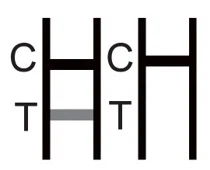 |  |  |
L: Negative FOB R: Negative TRF | L: Positive FOB R: Negative TRF | L: Negative FOB R: Positive TRF | L: Positive FOB R: Positive TRF |
Invalid Result

Hot Tags: transferrin and fecal occult blood combo test, China, suppliers, manufacturers, factory, bulk, Faecal Occult Blood Rapid Test, Carcinoembryonic Antigen Rapid Test, Calprotectin Rapid Test, Transferrin Rapid Test, Lactoferrin Rapid Test, High Level Ferritin Rapid Test
Send Inquiry
You Might Also Like